Important information for processing our glass. For questions, contact patrik@banasglass.com
The glass batch for melting our colored glass shares a uniform chemical base. This ensures high compatibility across our entire portfolio.
Blocks may contain minor bubbles. This is a natural occurrence of the hand-casting technology.
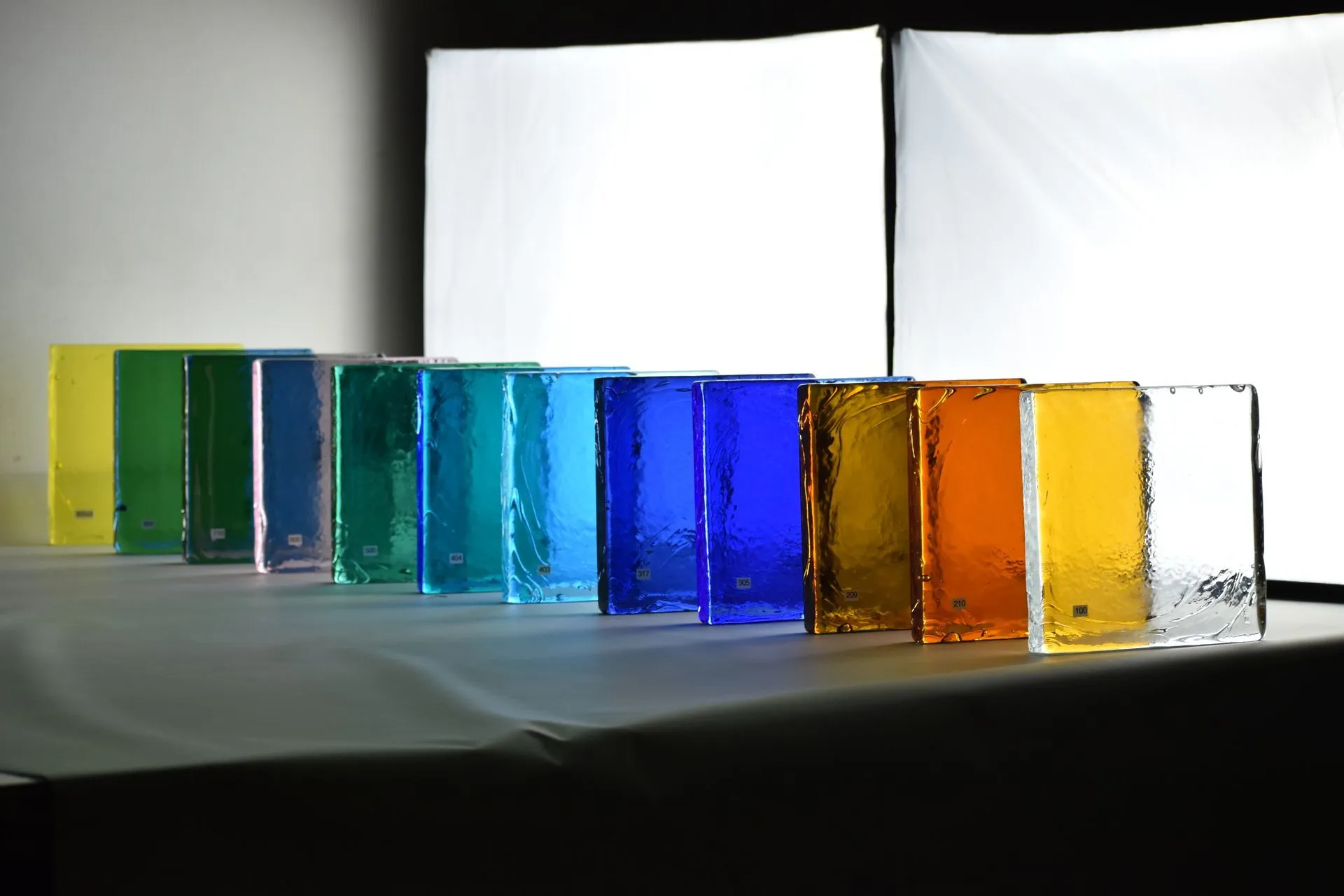
From crystal-clear transparents to deep opals. Each shade is mixed with an emphasis on purity and color stability during melting.
Clear and tinted
Warm shades
Cold spectrum
Water tones
Natural shades
Red spectrum
Smoky effects
UV active
Opaque glass
Glass with uranium additives reacts to the ultraviolet spectrum of light (sunlight, halogen, UV lamps) and produces a distinctive green fluorescent effect.
The uranium content is strictly below 1%. According to SÚJB (State Office for Nuclear Safety) measurements, the glass does not emit measurable radiation and is completely safe for health.
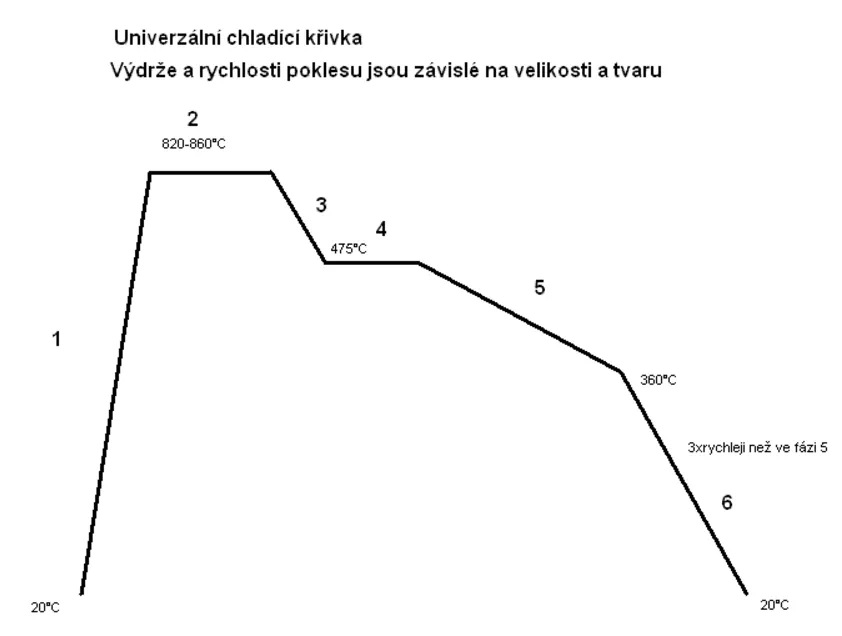
Specific oxides develop and shift their shade during heat treatment (e.g., from light violet to deep brown-red). Crystallization and color shifting occur at critical heat thresholds.
All of our colors are fully compatible and can be fused (melted together), with the exception of the codes listed below, which have a different chemical base.
When creating a kiln-cast glass sculpture using multiple colors, there is a risk of internal stress. Even with precise thermal expansion compatibility, each color possesses slightly different thermal properties (such as heat absorption).
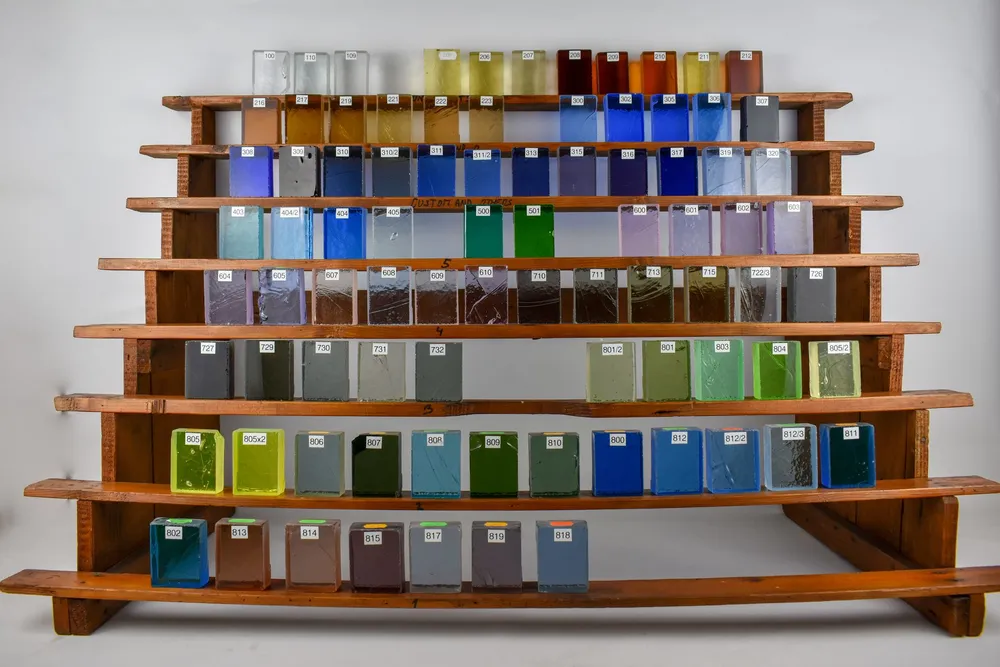
Choose from our wide range of compatible colors to create your own unique kiln-cast glass sculpture.
Browse products → Browse our complete catalog or contact us for an individual price offer tailored for your workshop.